

 561-721-2688
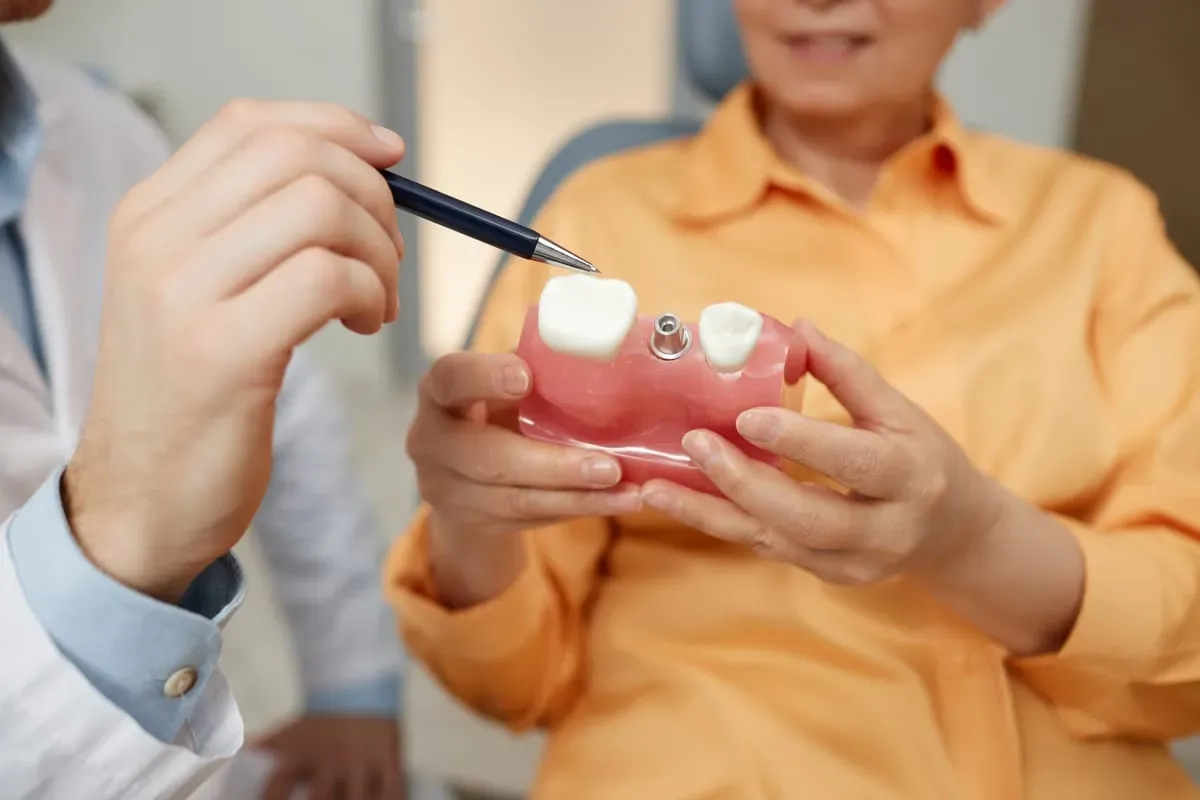
Losing a tooth, whether from decay, injury, or gum disease, changes more than your smile. It affects how you chew, how you speak, and often how confident you feel in everyday situations. For decades, bridges and dentures were the only real options to fill that gap. Today, dental implants give patients a way to replace a missing tooth with something that looks, feels, and functions far closer to the real thing.
At Dental Professionals of Wellington, we talk to patients every week who are curious about implants but unsure where to start. Is it painful? How long does it take? Will insurance help? These are fair questions, and the answers matter because an implant is a long-term investment in your oral health, not a quick fix. Understanding the process before you sit in the chair helps you make a decision you feel good about.
This article walks through what a dental implant actually is, who makes a good candidate, what the procedure and recovery involve, and how to think about cost and longevity. Our goal is to give you a clear, honest picture so you can discuss your options with our team from an informed position.
What Exactly Is a Dental Implant?
A dental implant is a small titanium or zirconia post that your dentist places directly into the jawbone, where it acts as an artificial tooth root. Once it has fused with the bone through a process called osseointegration, it provides a stable foundation for a replacement tooth, known as a crown. Unlike a removable denture or a bridge that relies on neighboring teeth for support, an implant stands on its own.
There are three main components to a typical implant: the titanium post itself, an abutment that connects the post to the visible tooth, and the crown, which is custom shaped and shaded to match your surrounding teeth. Because the post is anchored in bone, it transmits chewing force the way a natural root does, which helps preserve the jawbone and prevents the sunken facial appearance that often follows long-term tooth loss.
Implants can replace a single tooth, several teeth, or support a full arch of replacement teeth through techniques such as implant-supported bridges or dentures. The specific approach depends on how many teeth are missing, the condition of your jawbone, and your personal goals for function and appearance.
Who Is a Good Candidate for Implants?
Most healthy adults who have lost one or more teeth are reasonable candidates for implants, but a few factors matter more than age. The health of your gums and the amount of bone available to support the implant post are the biggest considerations. Gum disease, if left untreated, can undermine the stability an implant needs, which is why we always address periodontal health first when it's a factor.
Bone density can also be a limiting factor, particularly for patients who have been missing a tooth for a long time, since the jawbone naturally shrinks without the stimulation a tooth root provides. This doesn't rule implants out, however. Bone grafting procedures can rebuild enough structure to support an implant in many cases, which is something we evaluate during your initial consultation and imaging.
Signs You May Be Ready to Discuss Implants
- You're missing one or more permanent teeth and want a fixed solution instead of a removable one.
- Your jawbone has finished growing, which usually means you're past your late teens.
- Your overall health is stable, with conditions like diabetes well managed.
- You don't smoke, or you're willing to quit during healing, since smoking significantly raises implant failure rates.
- You're committed to good oral hygiene, since implants still require daily brushing and flossing.
What Happens During the Implant Procedure?
Getting an implant is not a single appointment but a staged process that typically unfolds over several months. The first step is a thorough evaluation, which usually includes a dental exam, X-rays, and sometimes a 3D scan to map out your jawbone and plan the exact placement of the implant. This planning stage matters a great deal, because precise positioning affects how well the implant integrates and how natural the final crown looks.
Once the plan is set, the implant post is surgically placed into the jawbone under local anesthesia. Most patients describe the procedure itself as far less uncomfortable than they expected, with any soreness afterward manageable with over-the-counter or prescribed pain relief. After placement, the site needs time to heal and allow the bone to fuse around the post, a process that generally takes two to six months depending on bone quality and the location of the tooth.
After healing is confirmed, a small connector piece called an abutment is attached to the implant post. Impressions are then taken to create a custom crown that matches the shape, size, and color of your natural teeth. When the crown is ready, it's secured to the abutment, completing the restoration. For patients needing a tooth extraction first or additional bone grafting, these steps are built into the timeline before implant placement begins.
What Does Recovery Actually Look Like?
Recovery after implant surgery happens in two stages: the initial healing of the surgical site, and the longer process of osseointegration where the bone fuses with the titanium post. In the first few days, it's normal to experience some swelling, mild bruising, and tenderness around the implant area. Most patients manage this comfortably with pain medication, ice packs, and a few days of softer foods.
Within a week to ten days, most of the surface discomfort resolves and patients return to their normal routines, including work and regular activities. The deeper healing, where the bone actually bonds with the implant, takes considerably longer, generally between three and six months. During this period, we ask patients to avoid putting excessive pressure on the implant site and to keep up with gentle, thorough oral hygiene to prevent infection.
Follow-up visits during this healing window let us confirm that integration is progressing as expected before we move forward with the abutment and crown. Rushing this stage is one of the more common reasons implants fail, which is why we build in enough time rather than pushing to finish quickly.
What Determines the Cost of an Implant?
Implant cost varies more than most dental procedures because it depends on several individual factors rather than a flat fee. The number of teeth being replaced is the most obvious driver, but the condition of your jawbone, whether you need a bone graft or sinus lift, the type of crown material chosen, and the complexity of the surgical plan all play into the final figure. A single tooth implant will cost considerably less than a full-arch restoration supporting multiple replacement teeth.
It's worth viewing the cost in context. While implants typically carry a higher upfront price than a bridge or a denture, they're built to last for decades with proper care, whereas bridges and dentures often need replacement or adjustment every five to ten years. When you factor in the long-term value, many patients find implants comparable or even more economical over a lifetime of use.
Dental insurance coverage for implants varies widely between plans, and some policies only cover a portion of the procedure, such as the crown rather than the surgical placement. We go over your specific coverage and financing options during your consultation so there are no surprises once treatment begins.
How Do You Care for an Implant Long-Term?
One of the biggest advantages of an implant is that it doesn't require any special maintenance routine beyond good dental habits. You brush and floss the implant crown just as you would a natural tooth, and regular checkups let us monitor the surrounding gum tissue and bone to catch any issues early. The crown itself doesn't decay the way a natural tooth can, but the gum and bone around it can still be affected by plaque buildup if hygiene slips.
Peri-implantitis, an inflammatory condition affecting the tissue around an implant, is the main long-term risk to watch for. It behaves similarly to gum disease and, left unaddressed, can eventually compromise the bone supporting the implant. Routine cleanings and checkups are the best defense, since we can spot early inflammation long before it becomes a bigger problem.
With consistent care, implants have a strong track record of lasting 20 years or longer, and many patients keep theirs for life. The crown portion may eventually need replacement due to normal wear, but the titanium post itself rarely needs to be touched once it has properly integrated with the bone.
Key Takeaways
- Dental implants replace both the root and the crown of a missing tooth, offering more stability than bridges or dentures.
- Good candidates need healthy gums and adequate bone, though grafting can address bone loss in many cases.
- The full process, from placement to final crown, usually spans three to six months to allow proper healing.
- Cost depends on the number of teeth, bone condition, and materials used, but implants often offer better long-term value.
- Routine brushing, flossing, and dental checkups are all it takes to keep an implant healthy for decades.
Frequently Asked Questions
Is getting a dental implant painful?
The surgery itself is performed under local anesthesia, so patients don't feel pain during placement. Afterward, mild soreness and swelling are common for a few days and are typically managed well with over-the-counter pain relievers, similar to what you'd expect after a tooth extraction.
How long does the entire implant process take?
From initial consultation to a final crown, the process usually takes between three and eight months, depending on your healing rate and whether you need preparatory work like a bone graft or tooth extraction. Simpler cases with good bone density can move faster.
Can an implant fail, and what causes it?
Implant failure is uncommon but can happen, usually due to insufficient bone integration, infection, gum disease, or smoking during the healing period. Choosing an experienced provider and following post-surgical care instructions significantly lowers this risk.
Will my dental insurance cover an implant?
Coverage varies widely by plan, and some insurers cover part of the procedure, such as the crown, while treating the implant post as a separate cost. We review your specific plan details during your consultation so you know what to expect financially.
Are implants noticeable compared to natural teeth?
Modern implant crowns are custom shaped and shaded to match your surrounding teeth, so they blend in naturally with your smile. Most people won't be able to tell which tooth is the implant once it's fully placed.
Making the Decision That's Right for You
Choosing to replace a missing tooth with an implant is a decision worth taking time with. It involves a real commitment of time during healing, a meaningful upfront investment, and a willingness to follow through on the care an implant needs to succeed. For the right candidate, though, the payoff is a replacement tooth that functions, feels, and lasts like a natural one, without the compromises that come with removable options.
Every mouth is different, and the best way to know whether an implant is the right path for you is a proper evaluation with imaging and an honest conversation about your bone health, goals, and timeline. Our team at Dental Professionals of Wellington is here to walk through those details with you, answer your questions directly, and help you decide on a solution that fits your situation rather than a one-size-fits-all recommendation.