A cracked molar, a tooth weakened by a large filling, or one that's lost most of its structure to decay doesn't have to mean an extraction. At Dental Professionals of Wellington, custom dental crowns in Wellington give these teeth a full-coverage cap that restores shape, strength, and appearance so you can bite, chew, and smile with confidence again. As a core part of our restorative dentistry services, crowns are one of the most reliable and long-lasting ways we help patients keep their natural teeth functioning well for years to come.
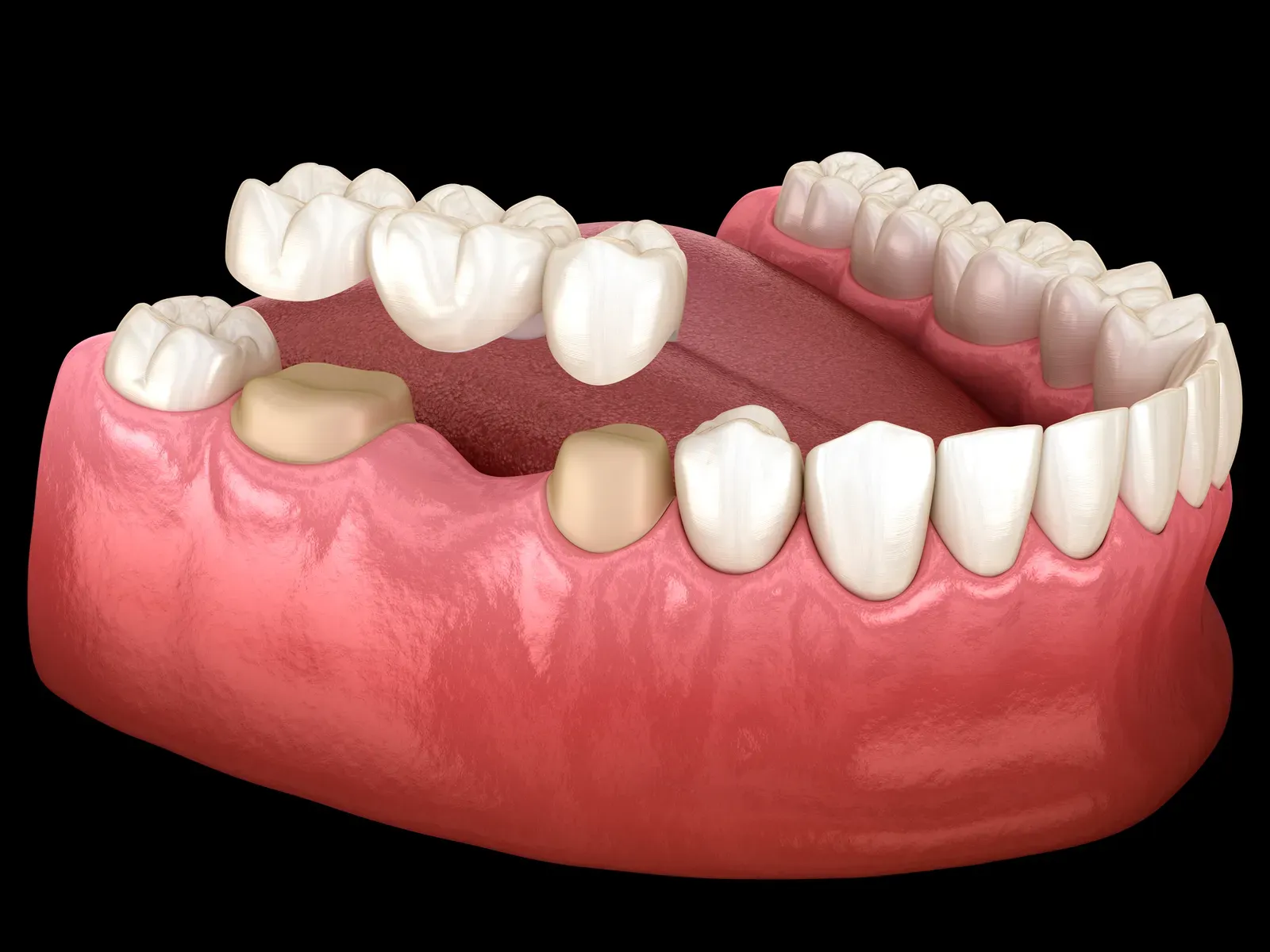
A dental crown is a tooth-shaped cap, custom-fitted and cemented over a prepared tooth, that covers everything visible above the gumline. Unlike a filling, which fills a cavity, a crown rebuilds and protects the entire tooth structure from further damage. Whether your tooth needs protection after a root canal, reinforcement after a large fracture, or simply a more attractive appearance, our team takes precise impressions and selects materials matched to your bite, your smile, and your budget, so the final result looks and feels like it belongs in your mouth.
Many patients come to us already knowing something isn't right with a specific tooth, even if they can't quite describe why. Our dentists evaluate the tooth's structure, the extent of any damage, and your bite before recommending a crown, but there are several common warning signs worth paying attention to between visits. Catching these early often means a simpler, less invasive treatment.
Most adults with a damaged, weakened, or cosmetically compromised tooth are reasonable candidates for a crown, but the right choice always depends on how much healthy tooth structure remains and the condition of the surrounding gum tissue. During your consultation, we take digital x-rays and examine the tooth closely to confirm that a crown - rather than a filling, inlay, or extraction - is genuinely the best option for your situation. We also consider your overall oral health, grinding habits, and aesthetic goals before finalizing a treatment plan.
If you grind your teeth at night, have active gum disease, or have a tooth with very little remaining structure, we'll talk through those factors honestly, because they can affect how long a crown lasts and whether additional treatment should come first. Our goal is always a restoration that holds up for the long haul, not a quick fix that needs to be redone.
Not every tooth calls for the same material. The location of the tooth in your mouth, the forces it absorbs when you bite down, and how visible it is when you smile all factor into which crown material makes the most sense. We walk you through the realistic trade-offs of strength, appearance, and cost so you can make an informed decision rather than guessing.
All of our crowns are custom fabricated to match the shape, contour, and shade of your existing teeth, whether we're restoring a single molar or rebuilding a more visible tooth in your smile line. We work with trusted dental laboratories to ensure every crown fits precisely and feels natural against your bite from the very first day.
A well-placed crown does more than patch a problem; it changes how a tooth functions for years afterward. Patients are often surprised by how much more comfortable everyday chewing becomes once a weakened tooth is properly reinforced, and many tell us they'd forgotten what it felt like to bite into something without hesitation.
Beyond function, crowns play a real role in protecting your long-term oral health by sealing off a vulnerable tooth from bacteria and further decay. Here's what our Wellington patients consistently experience after treatment.
Once your permanent crown is cemented into place, it behaves much like a natural tooth, but a few simple habits make a real difference in how long it lasts. The margin where the crown meets your natural tooth is the area most prone to decay if plaque is allowed to build up, so consistent home care really matters here.
If you received a temporary crown while your permanent one was being fabricated, we'll give you specific instructions to avoid dislodging it in the meantime. Once your final crown is placed, these longer-term habits will help protect your investment.
We start with a thorough exam and digital x-rays to assess the tooth's structure, nerve health, and surrounding bone, confirming that a crown is the right solution before anything else.
After numbing the area with local anesthetic, we gently reshape the tooth, removing decay and shaving down enough structure to make room for the crown's thickness.
We take precise digital or traditional impressions of the prepared tooth and record a shade match against your neighboring teeth so the crown blends in naturally.
While your custom crown is fabricated at a dental laboratory, we fit a comfortable temporary crown to protect the tooth and keep you chewing comfortably.
When your permanent crown arrives, we check the fit, contact points, and bite alignment carefully, making small adjustments until everything feels right.
Once you're satisfied with the fit and appearance, we bond the crown permanently in place and give you personalized aftercare guidance for years of reliable use.
Placing a crown that fits comfortably, matches your natural teeth, and lasts for years requires both precision and experience. Our team has restored countless damaged and worn teeth for patients across Wellington, and we treat every crown case with the same attention we'd want for our own families.
A traditional crown typically takes two appointments spaced one to three weeks apart: one to prepare the tooth and place a temporary crown, and a second to fit and cement the permanent one once it returns from the lab. Some cases qualify for same-day CEREC crowns, completing the entire process in a single visit.
No. We numb the tooth and surrounding gum tissue with local anesthetic before any preparation begins, so the procedure itself is comfortable. Some mild sensitivity to temperature or pressure is normal for a few days afterward, but it typically resolves quickly on its own.
With good home care and regular checkups, most crowns last between ten and fifteen years, and many last significantly longer. Longevity depends on the material chosen, your bite forces, grinding habits, and how consistently you maintain oral hygiene around the crown margin.
Yes. We take careful shade measurements against your surrounding teeth and select materials, like porcelain or zirconia, specifically chosen for their ability to mimic natural enamel translucency. Most patients find it difficult to tell which tooth has the crown once it's placed.
It's uncommon, but cement can wear down over many years, or a hard bite on something like ice can loosen a crown. If yours ever feels loose or falls off, save it if possible and contact our office right away so we can re-cement or replace it before the tooth is exposed to bacteria.
Cost varies based on the material selected, the tooth's location, and whether additional treatment like a root canal is needed first. During your consultation, we provide a clear, itemized estimate and discuss available payment options before any work begins.
Dental Professionals of Wellington
Our Wellington team is accepting new patients - schedule your visit today and experience compassionate, modern dental care for the whole family.


 561-721-2688