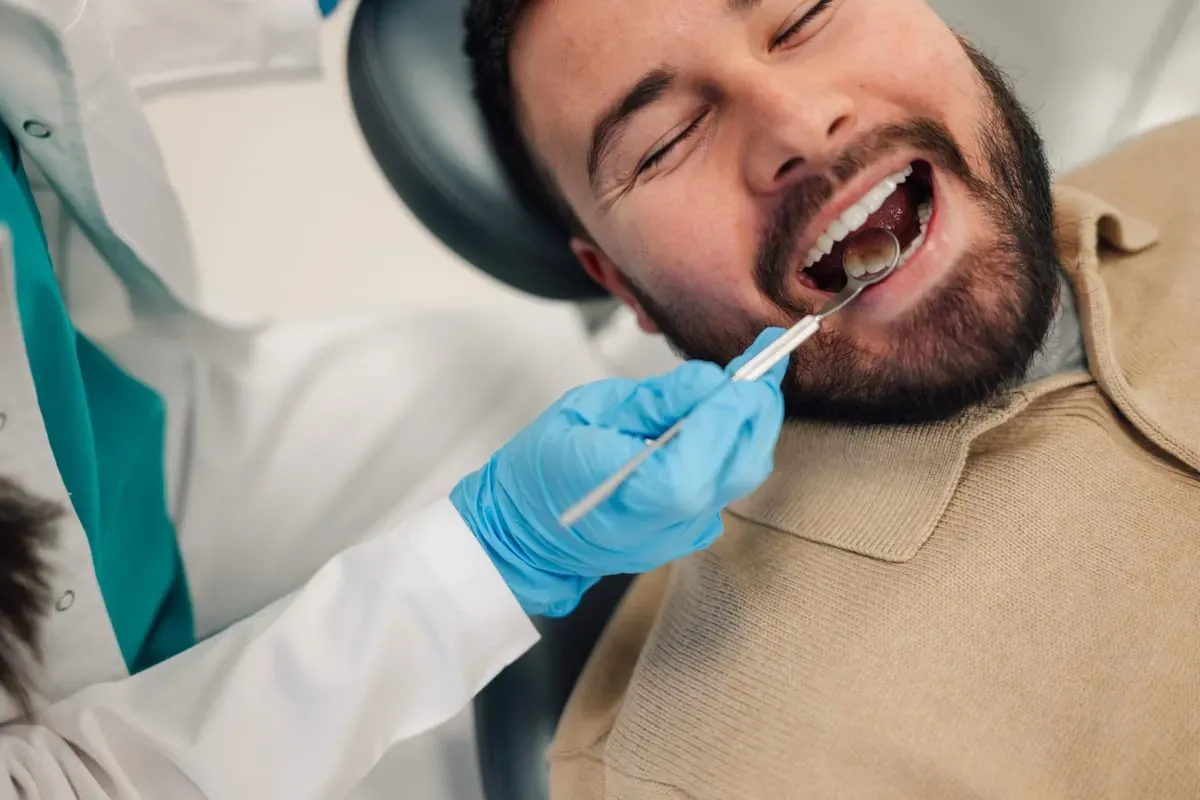
Most of us think about the dentist only when something hurts. A nagging twinge when you bite into something cold, a dull ache that won't quite go away, or a chipped tooth from an unlucky moment - these are the events that usually prompt a phone call. But general dentistry is really about everything that happens before that point. It's the steady, ongoing care that keeps small issues from becoming big, expensive, or painful ones.
At Dental Professionals of Wellington, general dentistry forms the foundation of nearly every patient relationship we build. It covers the routine checkups, cleanings, fillings, and preventive treatments that keep your teeth and gums functioning well for decades, not just years. It's less glamorous than cosmetic work, perhaps, but it's the part of dental care that has the biggest impact on your long-term health and your wallet.
This article walks through what general dentistry actually includes, why consistent visits matter more than most people realize, and what you can expect when you sit down in the chair. Whether you're due for a checkup or simply curious about what "general dentistry" means in practice, we hope this gives you a clearer picture.
General dentistry is the broad umbrella term for the everyday care a family dentist provides. Rather than specializing in one narrow area - the way an orthodontist focuses on alignment or a periodontist focuses on gum surgery - a general dentist is trained to diagnose, treat, and manage the full spectrum of oral health needs. Think of us as the primary care provider for your mouth.
This includes exams and professional cleanings, X-rays to catch problems hidden beneath the surface, fillings for cavities, root canals for infected teeth, extractions when a tooth can't be saved, and advice on everything from brushing technique to whether you grind your teeth at night. It also includes a fair amount of education - helping you understand what's going on in your mouth and what you can do about it.
Because general dentists see such a wide range of conditions, they're often the first to notice something that needs specialist attention, whether that's a referral to an oral surgeon, an orthodontist, or a periodontist. In that sense, general dentistry is also the gateway to the rest of your dental care journey.
A biannual checkup might feel routine, almost unnecessary if nothing hurts. But most dental problems don't announce themselves with pain until they're fairly advanced. A small cavity, a hairline crack, or the early stages of gum disease can all be developing quietly for months before you notice anything wrong. By the time discomfort sets in, treatment is often more involved - and more expensive - than it would have been if caught early.
Regular visits give your dentist the chance to track changes in your mouth over time. We compare this visit to your last one, looking for subtle shifts: a filling that's starting to wear down, enamel that's thinning in one spot, or gum tissue that's pulling back slightly from a tooth. None of these are things you'd typically notice on your own, but they're exactly the kind of early warning signs that let us intervene before a bigger problem develops.
There's also a practical financial argument here. A professional cleaning and exam is a modest, predictable cost. A root canal, a crown, or an extraction and replacement is not. Preventive visits are, quite simply, the cheapest dental care you'll ever receive relative to what they protect against.
General dentistry covers a wider range of procedures than most patients realize. Some you'll encounter at nearly every visit; others only come up when a specific issue arises. Here's a look at the treatments that make up the bulk of general dental care.
Professional Cleanings
These remove plaque and tartar buildup that brushing and flossing alone can't fully clear, especially along the gumline and between teeth.
Diagnostic X-Rays
X-rays reveal decay between teeth, bone loss, impacted teeth, and other issues that a visual exam simply can't detect.
Fillings
Used to repair cavities after decayed tissue is removed, restoring the tooth's shape and preventing further deterioration.
Crowns
A crown caps a tooth that's been significantly weakened by decay, a large filling, or a crack, restoring its strength and function.
Root Canal Therapy
When decay or infection reaches the inner pulp of a tooth, root canal treatment removes the affected tissue and saves the tooth from extraction.
Not every patient needs all of these at every stage of life, but knowing what's available - and what each treatment addresses - helps take some of the mystery and anxiety out of a dental visit.
When people think about dental health, teeth tend to get all the attention. Gums, by comparison, are often an afterthought - until they start bleeding, receding, or causing discomfort. But gum disease is one of the most common oral health problems adults face, and it's also one of the most preventable with consistent general dental care.
Gingivitis, the earliest stage of gum disease, is marked by redness, swelling, and bleeding when you brush or floss. Left untreated, it can progress to periodontitis, a more serious condition that damages the soft tissue and bone supporting your teeth. At that stage, treatment becomes more involved, and in advanced cases, tooth loss becomes a real possibility.
During routine exams, we measure the depth of the small pockets between your teeth and gums, check for bleeding and inflammation, and assess whether any recession has occurred since your last visit. These measurements, tracked over time, give us a clear picture of whether your gum health is stable, improving, or starting to decline - often well before you'd notice symptoms yourself.
General dentistry isn't a one-size-fits-all service - it looks quite different depending on the age and needs of the patient. For children, early visits focus heavily on prevention and education: teaching proper brushing habits, monitoring the development of baby and adult teeth, and applying sealants or fluoride treatments to protect young enamel that's still more vulnerable to decay.
Establishing a relationship with a general dentist early in life also helps children build comfort and confidence around dental visits, which pays off for decades. Kids who grow up seeing the dentist as a routine, low-stress part of life are far more likely to keep up with their own oral health as adults.
For adults and older patients, general dentistry shifts toward managing the wear and tear of years of use: watching for signs of grinding, keeping older fillings and crowns in good condition, and addressing the gradual recession and sensitivity that often comes with age. Seeing one practice across generations also means your dentist has a long-term record of your family's oral health history, which can make a real difference in catching patterns or risks early.
Some issues can comfortably wait until your next scheduled checkup. Others shouldn't. Knowing the difference can save you from unnecessary pain and more complicated treatment down the line. Persistent tooth pain, especially if it intensifies with hot or cold foods, is one of the clearest signs that something needs attention sooner rather than later.
Other warning signs include a tooth that's suddenly sensitive to pressure when biting, gums that bleed regularly rather than occasionally, swelling in the face or jaw, or a bad taste that won't go away no matter how much you brush. Any of these can point to an infection, a cracked tooth, or advancing gum disease - all conditions that tend to get worse, not better, with time.
If you're ever unsure whether something warrants an earlier visit, it's always worth calling. A quick phone conversation with our team can help you decide whether to come in right away or whether it's safe to monitor the issue until your next appointment.
Key Takeaways
Most patients should plan on a checkup and cleaning every six months. If you have a history of gum disease, frequent cavities, or other ongoing concerns, we may recommend visits every three to four months instead to keep a closer eye on things.
Teeth whitening and most cosmetic procedures typically fall under cosmetic dentistry rather than general dentistry. That said, general dentists often perform these treatments too, and a healthy foundation from general care is usually a prerequisite before cosmetic work begins.
Not at every visit. Most patients need X-rays roughly once a year, though this can vary based on your individual risk factors, age, and dental history. Your dentist will let you know what schedule makes sense for you.
Dental anxiety is common and nothing to be embarrassed about. Tell your dentist how you're feeling before the appointment begins. Many practices offer options like shorter visits, clear step-by-step explanations, or sedation options to make the experience more comfortable.
Most dental associations recommend a first visit by age one or within six months of the first tooth appearing. Early visits are typically short and focused on monitoring development rather than extensive treatment.
General dentistry doesn't get the attention that cosmetic transformations or dramatic treatments sometimes do, but it's genuinely the part of dental care that protects your health, your comfort, and your budget over the course of your life. Consistent checkups, timely fillings, and attentive gum care add up to fewer emergencies, less invasive treatment, and a smile that holds up well as the years go by.
If it's been a while since your last visit, there's no better time than now to get back on track. Our team at Dental Professionals of Wellington is here to help you build a steady, manageable routine of care that fits your life, your family, and your long-term goals for a healthy smile.
Dental Professionals of Wellington
Our Wellington team is accepting new patients - schedule your visit today and experience compassionate, modern dental care for the whole family.


 561-721-2688